- Different nanostones
- For a detailed design
- Stones in shades of green
- Stones from 0,3 to 3 cm
- Suitable for aquascape and terrascape
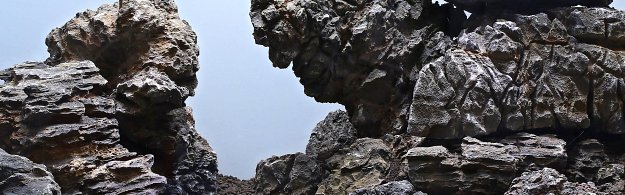
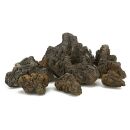
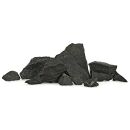
- Dark, rugged stones
- Sharp angles and diverse textures
- Bold, dark colour
- Can influence water chemistry
- For aquariums and terrariums
- Highly jointed surface
- Dark colors
- Perfect for Aquascaping
- Raises water hardness
- Product pictures are examples
- Smooth, rounded shape
- From the ADA KUMU series
- Minimal impact on GH
- Moderate impact on pH
- Ideal for aquarium and terrarium layouts
- Different nanostones
- For a detailed design
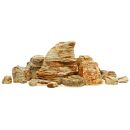
- Stones in shades of brown
- Stones from 0,3 to 3 cm
- Suitable for aquascape and terrascape
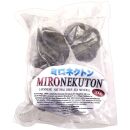
- 100 % natural deep-sea mineral rock without additives
- Exceptionally rich in minerals and trace elements
- Stabilises the pH
- Supports healthy development of baby shrimps
- Can be poured under the soil as additive
- Porous structure
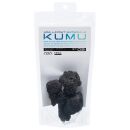
- From the ADA KUMU series
- Deep black
- Moderate impact on pH and GH
- Ideal for aquarium and terrarium layouts
- Bluish-black, angular shapes
- From the ADA KUMU series
- Enhances aquarium aesthetics
- Minimal impact on water quality
- Ideal for aquarium and terrarium layouts
- Small-sized Frodo Stones
- Unique textures and patterns
- Reflects geological artistry
- Minimal impact on water
- For aquariums and terrariums
- Attractive rounded stone
- Deep black colouring
- Perfect for aquascaping
- Ideal for iwagumi
- Influences water values
- Very dark colour
- Does not harden the water
- Relatively lightweight rocks
- Porous structure - ideal for Ferns and Mosses
- Product pictures are examples
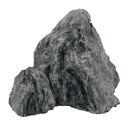
- Heavily textured and pitted surface
- Brown to slightly red colors
- Perfect for Aquascaping
- Does not raise water hardness
- Product pictures are examples, colours may vary
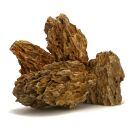
- Natural yellow colours
- From the ADA KUMU series
- Highly structured
- Minimal impact on water quality
- Ideal for aquarium and terrarium layouts
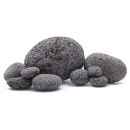
- Natural lava stones
- Dark to black
- Round-washed surface
- Impressive contrast effect
- Pictures serve as examples
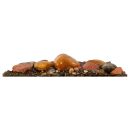
- Rich, fiery tones
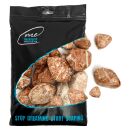
- Terracotta red with white veins
- Natural, unpolished surfaces
- Influences water parameters
- For aquariums and terrariums
- Different nanostones
- For a detailed design
- Stones in shades of red
- Stones from 0,3 to 3 cm
- Suitable for aquascape and terrascape
- Different nanostones
- For a detailed design
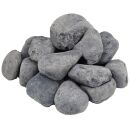
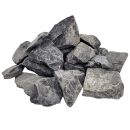
- Stones in shades of grey
- Stones from 0,3 to 3 cm
- Suitable for aquascape and terrascape
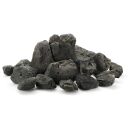
- Different nanostones
- For a detailed design
- Stones in shades of black
- Stones from 0,3 to 3 cm
- Suitable for aquascape and terrascape
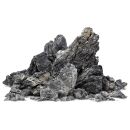
- Different nanostones
- For a detailed design
- Stones in cold grey tones
- Stones from 0,3 to 3 cm
- Suitable for aquascape and terrascape
- Different nanostones
- For a detailed design
- In dark grey
- Stones from 0,3 to 3 cm
- Suitable for aquascape and terrascape
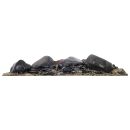
- Harmonic stone set
- Rounded and marbled stone
- Ideal for Iwagumi style aquascapes
- Can influence the water parameters
- Stone size 1 - 25 cm
- Harmonic stone set
- Rounded and marbled stone
- Ideal for Iwagumi style aquascapes
- Can slightly raise pH and hardness
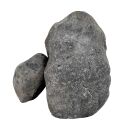
- Harmonic stone set
- Vibrant pitch-black colour
- Ideal for ryoboku style aquascapes
- May raise pH and hardness slightly
- Harmonic stone set
- Unique stone with various colours
- Ideal for Iwagumi style aquascapes
- Does not affect water parameters
Decorative stones for your aquarium and aquascape
In aquascaping, stones are a vital part of the hardscape, in other words: the decoration inside the aquarium. There are e.g. very puristic layouts, called Iwagumi, which are based on Japanese design principles and - apart from aquatic plants - use only one single type of stone and are designed without driftwood. In our online shop we offer many different types of stones, which are suitable for use in aquariums. The price is usually per kilogram. To hel calculate the right amount of stones, we have penned the article Choosing your hardscape by weight for our Aquascaping Wiki. The calculation takes into account all individual parameters in terms of weight and volume of each individual type of stone.
Basically, you should differentiate between neutral and water-hardening stones to be used in the aquarium. Sorts like Lava, Dragon Stone (Ohko Stone) and Loa Rocks are classified as water neutral, as are most stone types offered by manufacturer ADA. These include Manten Stones, Unzan, Koke, Sansui, Kei and Yamaya Stones. As a little note on those: ADA stones are shipped in units of 25 kg boxes, Unzan Stones are offered in our webshop as indidually photographed one-offs.
Stones that harden the aquarium water contain lime, which can sometimes be noticed as whitish veins in the stone. A hardening, in other words: an increase in total-, carbon hardness and the pH value, happens foremost, if a CO2 system is in use. When introducing the gas, small amounts of carbon dioxide are created, which constantly dissolve the lime out of the stones. In order to counteract the hardening, we recommend regular, larger water changes in the aquarium with very soft or even demineralized water or just using non-hardening rock types. This is especially recommended if you want to keep sensitive dwarf shrimp (e.g. Bee shrimp). They do not tolerate fluctuations in water hardness, which would inevitably occur in the event of a water change, very well.
Especially the heavily rugged types of stones, popularly used in aquascaping to create mountain-like structures, are often calcareous. Among those are Seiryu Ryuoh (Mini Landscape), but also Grey Rocks, Frodo, Black Pagoda and Tsingy Rocks.
A comprehensive overview of all stone sorts available in our webshop can be found in the article Hardscape in our Aquascaping Wiki. All stone types are listed and described there separately, divided into neutral and hardening types.