
Epiphytes
Terrarium plants - Epiphytes - Green up your terrarium!
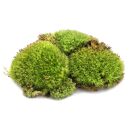
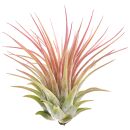
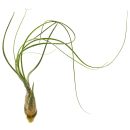
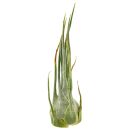
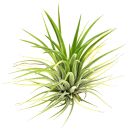
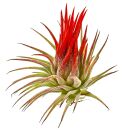
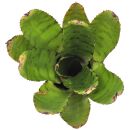
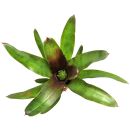
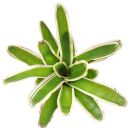
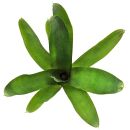
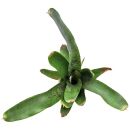
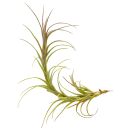
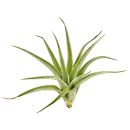
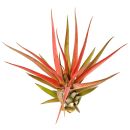
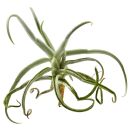
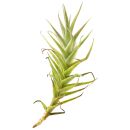
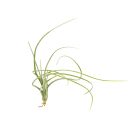
These plants grow on other plants. Algae on aquatic plants are also epiphytes, but here we are talking about those that grow on trees and shrubs. Unlike parasites, they do not tap into the pathways of the host plant to supply themselves with water and nutrients. They are merely sitters that can access more light in this way than on the forest floor. In northern latitudes it is mainly mosses, lichens and algae on the bark of trunks and branches, in the warmer regions of the world there are countless "higher" plant species. There are particularly many epiphytes among the orchids and ferns, and Central and South America is known for its countless epiphytic bromeliads. Even cacti, otherwise inhabitants of dry areas, colonise humid tropical forests there as epiphytes, including rod cactus (Rhipsalis) and Christmas cactus (Schlumbergera). Epiphytes are most common in rainy and foggy areas, but various Tillandsia species can also be found in dry forests and even semi-deserts.
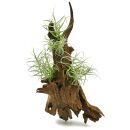
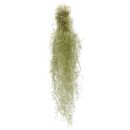
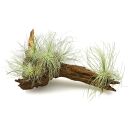
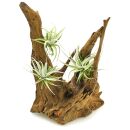
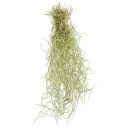
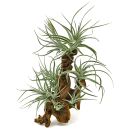
In cultivation, many epiphytes need a loose substrate in which to root. The "atmospheric" epiphytes, on the other hand, only need to be attached to a base because they absorb water and nutrients via their leaves or aerial roots. Epiphytes from rainforests usually need high humidity and frequent humidification. In contrast, the so-called grey tillandsias in particular must not be kept too moist. They should be allowed to dry out after spraying and need air movement.