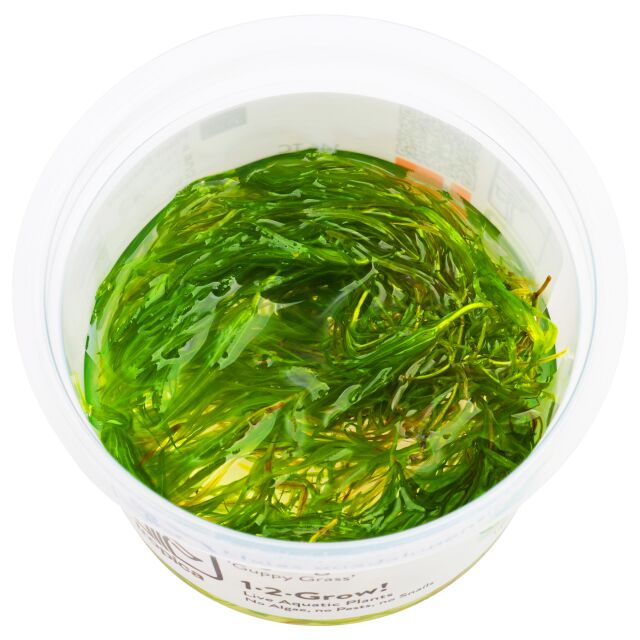
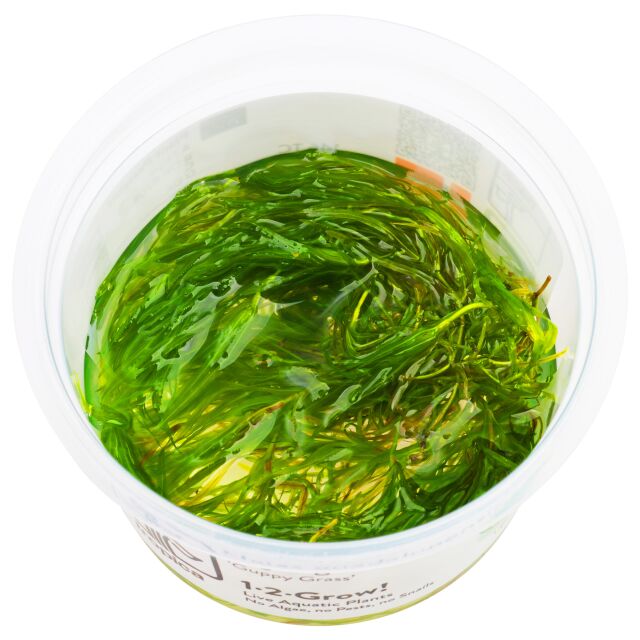
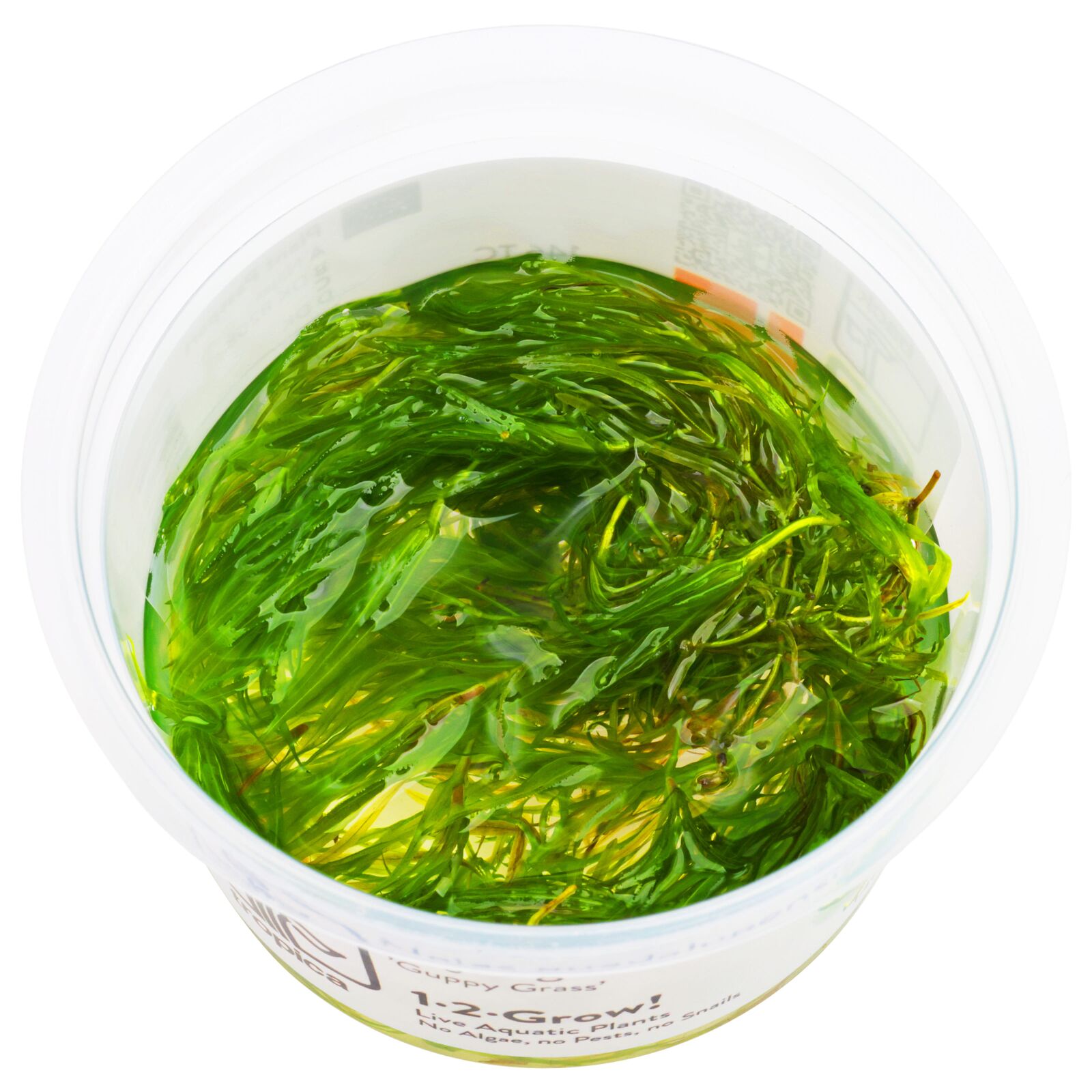
Najas guadalupensis 'Guppy Grass'
- Popular Najas species
- Hardly available commercially
- Needle-like leaves, long stems
- Fast growing
Item question
We’re here for you!
Please enter your question and e-mail and we’ll contact you as soon as possible. It usually takes us up to 24 hours during business days to respond.
Thank you for your question!
Thank you, we’ll get in touch!
Close window
You already sent us a question.
Please wait a few minutes
Description
Najas guadalupensis, commonly known as Guadeloupe water nymph, is a widely distributed submerged aquatic plant across the American continent, where it inhabits lakes, rivers and canals. According to the “Flora of North America”, there are four subspecies. Three of them (N. guadalupensis subsp. floridana, subsp. muenscheri, subsp. olivacea) are restricted to North America, while N. guadalupensis subsp. guadalupensis is also found in Central and South America as well as on Caribbean islands.
Guadeloupe water nymph has been cultivated in aquariums for many years and is by far the most common and well-known Najas species in the aquarium hobby. Its English name “guppy grass” reflects the popularity of this undemanding aquatic plant, which is often used in breeding tanks for fish and invertebrates. It is more commonly obtained from fellow hobbyists, for example at aquarium fairs, than from specialist retailers. However, it is not particularly popular among planted tank enthusiasts and aquascapers, as its stems are very brittle and detached shoots can drift freely and settle uncontrollably throughout the aquarium. As a result, this fast-growing plant can easily become a rather troublesome “weed”.
While many other Najas species have distinctly serrated leaves, the leaf margins of N. guadalupensis appear smooth at first glance but are actually lined with numerous tiny teeth visible under magnification. Guadeloupe water nymph closely resembles the slender naiad (Najas flexilis), which occurs in North America and Europe and is listed as endangered in Germany according to the 1996 Red List. The two species mainly differ in their seeds: N. flexilis has yellowish, smooth, glossy seeds that are widest above the middle, whereas N. guadalupensis produces spindle-shaped, yellowish-white seeds with a purplish tint and a dull, distinctly textured surface.
How many plants do I need?
General information
Please choose a variant to see more information.
| Item no. |
|
| EAN | |
| Weight | |
| Shipping weight |
Customers ask customers
You have questions about this product? Ask other customer or our support team about this product!