Sand & Gravel
- Does not raise water hardness
- CO2-proof
- Light-resistant
- Grain size 1-2 mm
- Rounded edges protect bottom-dwelling fish
- Black-grey ground material for aquariums
- Very decorative ground material for aquarium and aqua-terrarium
- Grain size: 0,2 - 0,5 mm. Allows the keeping of Corydora
- Not so well suited for undergravel heating cables
- Very bright colouring
- 100 % natural origin
- Varied grain size
- Natural soil material
- Creates beautiful contrasts with coloured shrimps
- Extremely fine grain size from 0.4 to 1.2 mm
- Very fine and light quartz sand
- Safe for bottom-dwelling fish and shrimp
- Light, fine gravel with black pebbles for aquariums
- Very decorative ground material for aquarium and aqua-terrarium
- Grain size: 0,4 - 1,4 mm. Very well suitable for the keeping of Corydora
- Well suited for undergravel heating cable
- Grain-size: 0.7 - 1.2 mm
- Black substrate
- No risk of injury due to rounded edges
- Hardener-free, CO2-proof, light-resistant, waterneutral

- Hardener-free
- CO2-proof
- Light-resistant
- Grain size 1-2 mm
- Rounded edges protect bottom-dwelling fish
- Produces a natural appearance
- Very light-coloured almost white sand
- Reflects the nature of a stream
- Very fine-grained (1-4 mm)
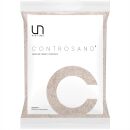
- Natural aquarium sand for aquascaping
- Grain size: 0,4–0,9 mm
- Light natural tone for calm sand areas
- Suitable for freshwater aquariums
- Rinse briefly before use
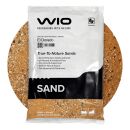
- Ochre/orange colouring
- 100 % natural origin
- Varied grain size
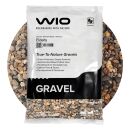
- Natural riverbed substrate
- Especially rich in colour
- Can slightly harden the water
- In 3 different grain sizes
- Ideal for riverbed impressions
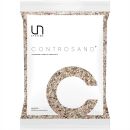
- Aquarium gravel for aquascaping
- Grain size: 3 – 5 mm
- Ideal for layout contrasts
- Suitable for freshwater aquariums
- Rinse briefly before use

- Natural substrate
- Grain size: 0,4-0,6 mm
- Fine, yellowish aquarium sand
- Ideal for aquascaping
- Wash before use
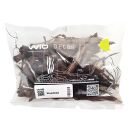
- Mixture of branches, roots and bark
- 0,1 - 20 cm
- 100 % natural material
- Contains humic acids
- Ideal for rainforest scapes
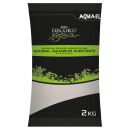
- Natural soil material
- Creates beautiful contrasts with coloured shrimps
- Extremely fine grain size from 0.1 to 0.3 mm
- Very fine and light quartz sand
- Safe for underwater fish and Caridina shrimp
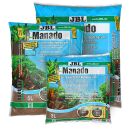
- Water-neutral, brown substrate
- Grain size: 0,5 - 2,0 mm
- Ideal for fish, invertebrates and plants
- High nutrient buffer
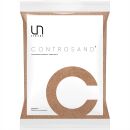
- Natural aquarium sand for aquascaping
- Grain size: 0,4–0,9 mm
- Warm sand-coloured natural tone
- Suitable for freshwater aquariums
- Rinse briefly before use
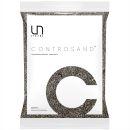
- Natural aquarium gravel for aquascaping
- Grain size: 3–5 mm
- Dark natural tone for strong contrasts
- Suitable for freshwater aquariums
- Rinse briefly before use
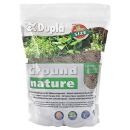
- Natural substrate
- Grain size: 0-4 mm
- Elegant grey colour for modern aquarium design
- Ideal for aquascaping
- Wash before use
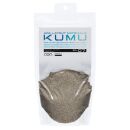
- Calm layout atmosphere
- From the ADA KUMU series
- Natural sediment colours
- Moderate impact on GH
- Ideal for aquarium and terrarium layouts
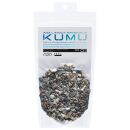
- Flat, rounded gravel
- From the ADA KUMU series
- Grain size 5 - 10 mm
- High influence on pH & GH
- Ideal for aquarium and terrarium layouts
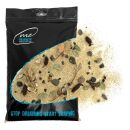
- Natural alpin substrate
- Tannin release possible
- Organic-rich deposits
- 100% natural materials
- Ideal for biotopes
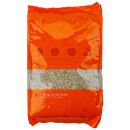
- Substrate for aquariums
- Does not change the pH value or water hardness
- Beautiful natural colouring
- Includes different gravel sizes
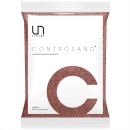
- Aquarium sand with warm natural tone
- Grain size: 0,4–0,9 mm
- Ideal for foreground and sand areas
- Suitable for freshwater aquariums
- Rinse briefly before use
Sand & Gravel - A Matter of Ground
In terrariums, sand and gravel play a crucial role that goes beyond aesthetics. The ground substrate in terrascaping not only serves for visual design but also significantly influences the microclimate and the growth of terrarium plants.
The right use of sand or gravel allows not only the creation of visually natural landscapes but also the regulation of moisture in the terrarium is influenced by the ground base. The fine-grained structure of the sand supports soil drainage and prevents waterlogging, while coarse-grained gravel promotes ventilation and reduces the risk of mold formation.
Moreover, sand and gravel, in combination with hardscape elements like rocks and wood, provide a varied surface for epiphytes, climbing and creeping plants, as well as hiding spots. This creates a natural environment.
When choosing sand and gravel, it's important to consider the individual needs of the plants in the terrarium. Desert plants as well as rainforest species have different requirements for the substrate composition. Therefore, the selection should be carefully matched and regularly reviewed to ensure a permanently optimal environment.
In summary, sand and gravel not only enrich the aesthetic dimension of a terrarium but also play a functional role in creating a balanced habitat. In our terrascaping online shop, numerous options for combining different substrates are offered.