Java fern
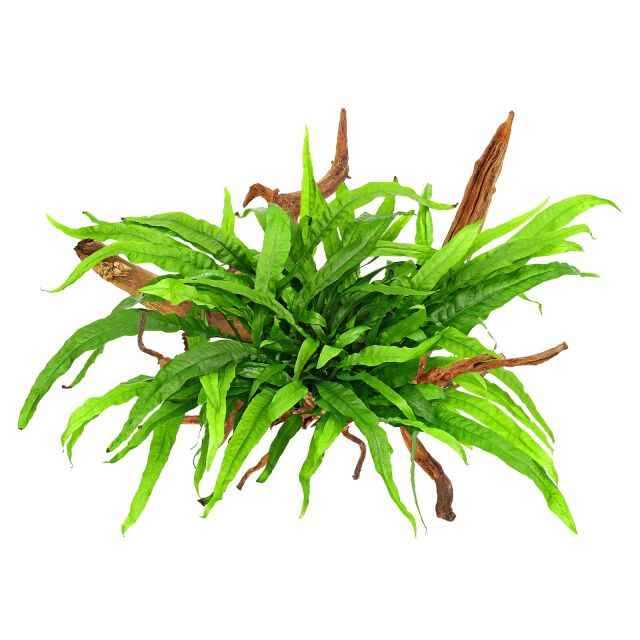
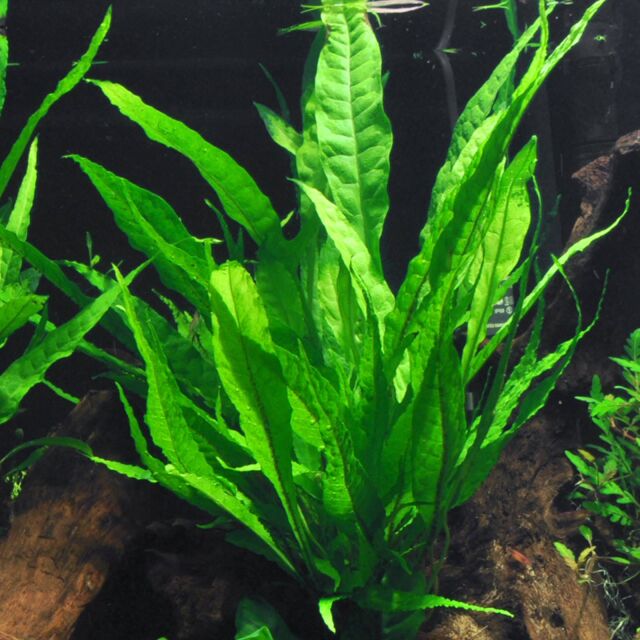
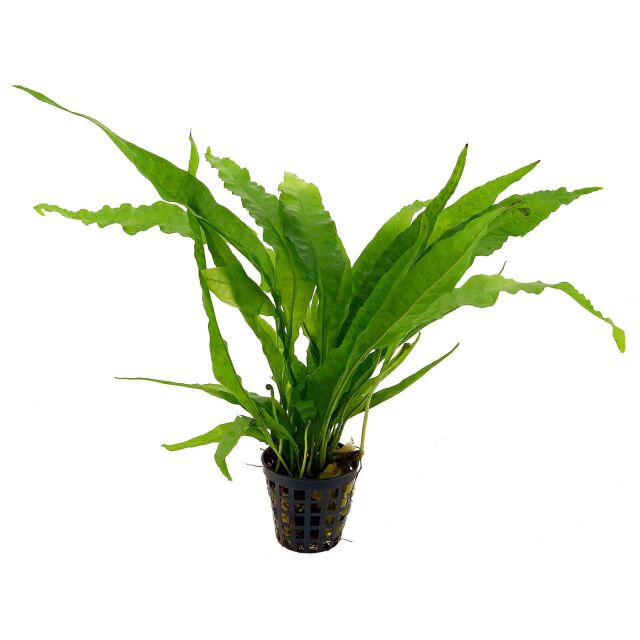
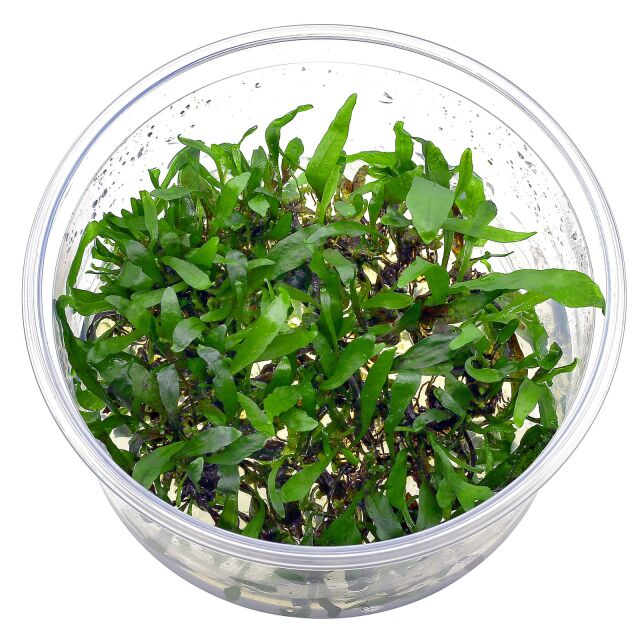
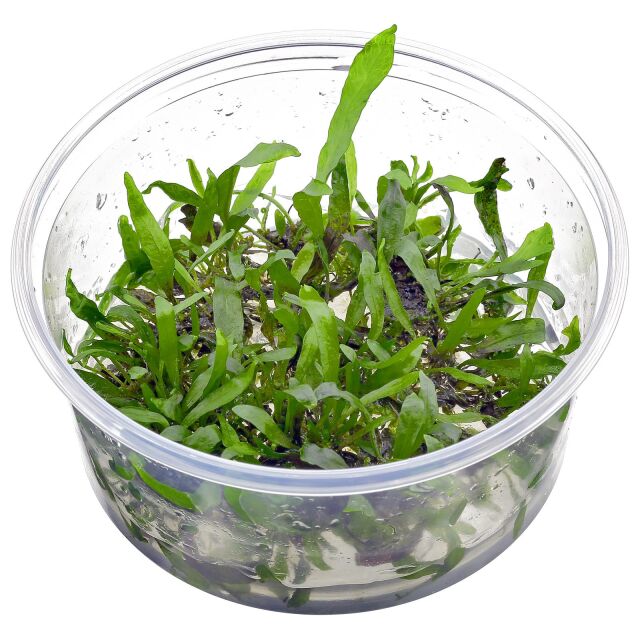
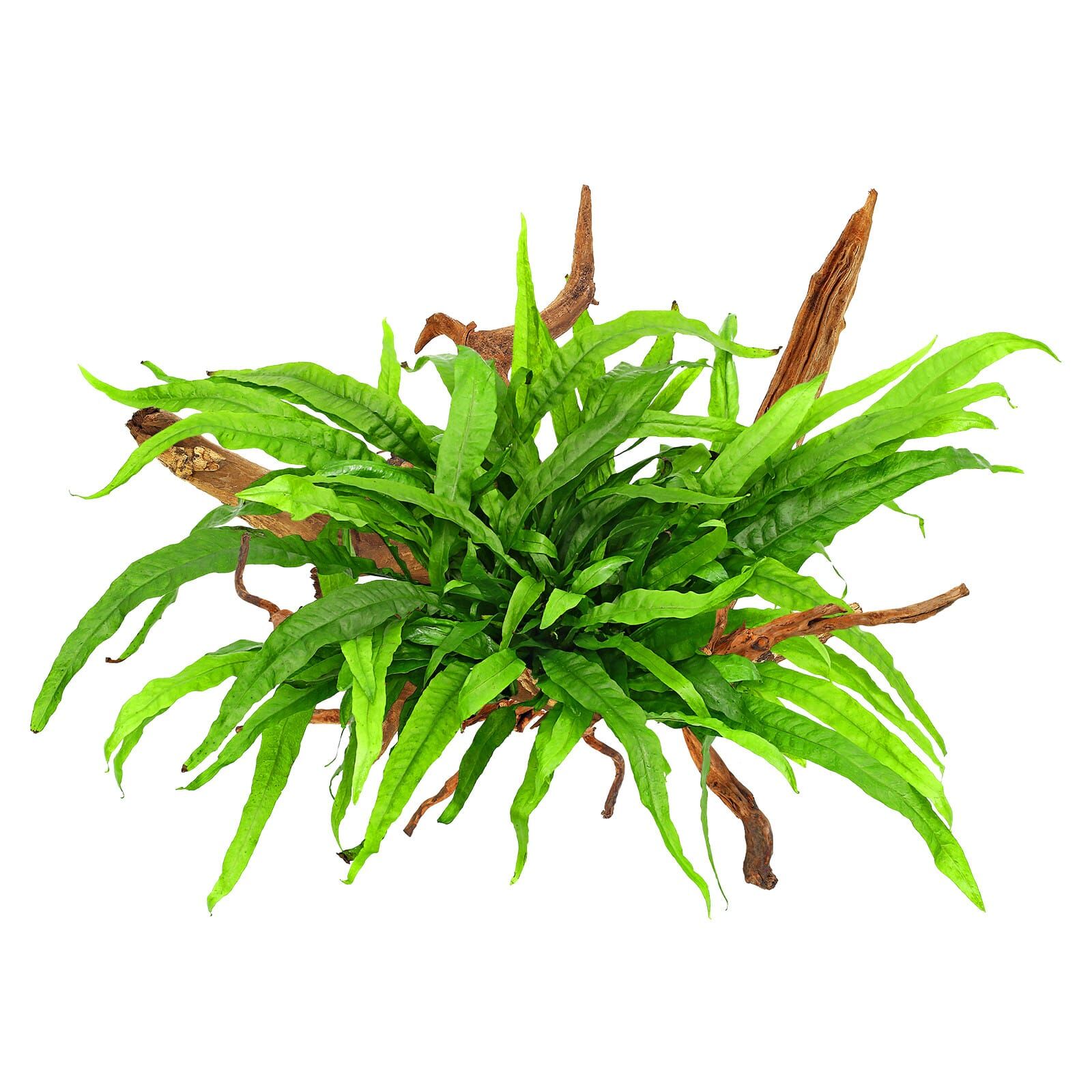
Microsorum pteropus
Java fern
- The "classic" large-leaved Java Fern
- Time-tested robust epiphyte
- Can be used in many different ways
Item question
We’re here for you!
Please enter your question and e-mail and we’ll contact you as soon as possible. It usually takes us up to 24 hours during business days to respond.
Thank you for your question!
Thank you, we’ll get in touch!
Close window
You already sent us a question.
Please wait a few minutes
Description
"Classic" Java fern with its large wide leaves has long been known as undemanding aquarium plant with multiple uses that can be cultivated very well as an epiphyte on rocks and driftwood.
Microsorum pteropus, or Java fern, grows in innumerable locations in tropical and subtropical regions of Asia. It is often found on rocks or wood in rivulets and waterfalls. Some populations grow submersed permanently, others occur as terrestrial plants on moist forest ground.
Java fern is a very widely spread, popular plant in the aquarium hobby, and it is on sale in most aquarium shops. 50 years ago it was brought into trade under the erroneous name Leptochilus decurrens, amongst others, which is not a synonym for M. pteropus, but the name of another fern.
M. pteropus is very variable. The various forms can differ so much in size and leaf form that one might even assume they belong to different species. (read more)
| Synonyms | Polypodium pteropus Blume, Microsorum pteropus (Blume) Ching, Colysis pteropus (Blume) Bosman, Leptochilus pteropus (Blume) Fraser-Jenk. |
| Misapplied names | Leptochilus decurrens |
| Complete botanical name | Microsórum ptéropus (Blume) Copeland |
| Family | Polypodiaceae |
| Genus | Microsorum |
| Difficulty | very easy |
| Usage | Epiphyte (growing on hardscape), Background, Midground |
| Growth | slow |
| pH value | 5 - 8 |
| Temperature tolerance | 4 - 30°C |
| Carbonate hardness | 0 - 14°dKH |
| General hardness | 0 - 30°dGH |
| Propagation | Proliferating leaves, Proliferating roots, Rhizomteilung, Splitting, cutting off daughter plants |
| Can grow emersed? | yes |
| Source | Flowgrow |
| Synonyms |
| Polypodium pteropus Blume, Microsorum pteropus (Blume) Ching, Colysis pteropus (Blume) Bosman, Leptochilus pteropus (Blume) Fraser-Jenk. |
| Misapplied names |
| Leptochilus decurrens |
| Complete botanical name |
| Microsórum ptéropus (Blume) Copeland |
| Family |
| Polypodiaceae |
| Genus |
| Microsorum |
| Difficulty |
| very easy |
| Usage |
| Epiphyte (growing on hardscape), Background, Midground |
| Growth |
| slow |
| pH value |
| 5 - 8 |
| Temperature tolerance |
| 4 - 30°C |
| Carbonate hardness |
| 0 - 14°dKH |
| General hardness |
| 0 - 30°dGH |
| Propagation |
| Proliferating leaves, Proliferating roots, Rhizomteilung, Splitting, cutting off daughter plants |
| Can grow emersed? |
| yes |
| Source |
| Flowgrow |
How many plants do I need?
General information
Please choose a variant to see more information.
| Item no. |
|
| EAN | |
| Weight | |
| Shipping weight |
Customers ask customers
You have questions about this product? Ask other customer or our support team about this product!
Customer reviews
8 Reviews
| 5 Stars(7) |
|
| 4 Stars(1) |
|
| 3 Stars(0) |
|
| 2 Stars(0) |
|
| 1 Star(0) |
|